Why Louisiana Bathrooms and Attics Become Mold Hotspots This Time of Year
Why Louisiana Bathrooms and Attics Become Mold Hotspots This Time of Year

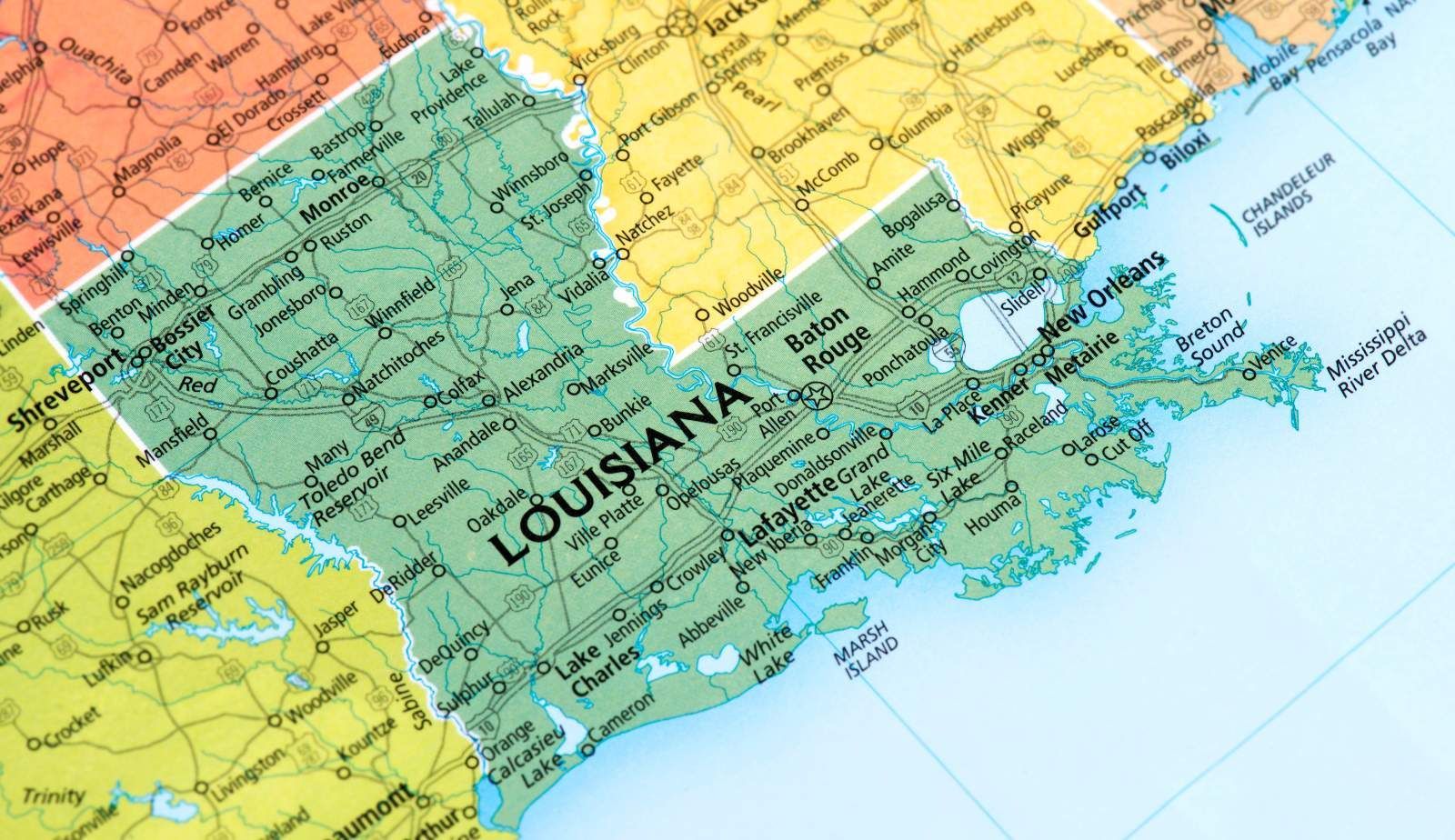
If you live anywhere between Lake Charles and Lafayette, you know exactly what happens when June hits. You walk outside and it feels like you just stepped into a warm, wet blanket. That South Louisiana humidity is no joke, and while we’re all busy cranking the AC and trying to stay cool, your house is fighting a quiet battle against moisture.
As a technician at Drymax Water, Fire, Mold Restoration , I spend a lot of my summer in attics and bathrooms. Those are the two biggest "hotspots" for mold growth this time of year, and it’s not a coincidence. It’s actually a pretty simple scientific process, but when it’s happening behind your drywall or above your ceiling, it can get expensive fast.
I want to break down why this happens, what that "musty" smell actually is, and why the old "just spray some bleach on it" advice is one of the worst things you can do for your home.
The Attic: A Giant Science Experiment
Most people don't go into their attics during a Louisiana June unless they absolutely have to. It’s 130 degrees up there, it’s cramped, and it’s miserable. But that’s exactly why mold loves it.
In Southern Louisiana, we have what I call the "perfect storm" for attic mold. You’ve got high outdoor humidity, a cold HVAC system running 24/7, and often, poor ventilation.
The HVAC "Sweat" Problem
Think about a glass of ice water sitting on your porch in Lafayette in the middle of July. Within two minutes, that glass is covered in water droplets. That’s condensation: warm, moist air hitting a cold surface.
In your attic, your AC unit and those silver flexible ducts are that glass of ice water. When your AC is blasting cold air to keep your living room at 72 degrees, the outside of those ducts gets very cold. If your attic is full of humid air from outside, that moisture is going to condense right on the ducts, the air handler, and even the rafters.
I’ve been on mold inspection Louisiana jobs where the insulation under the AC unit was literally soaking wet, not from a leak, but just from months of the unit "sweating." Once that insulation gets wet, it’s like a giant sponge for mold.

Ventilation Failures
A lot of folks think the attic is supposed to be sealed up tight to keep the heat out. It’s actually the opposite. You need air moving through there. If your soffit vents are blocked by insulation or your ridge vent isn’t doing its job, that humid air just sits there. It stagnates.
When you combine stagnant, humid air with a cold AC pipe, you’re basically inviting mold to move in. This is why we see so much Louisiana mold removal work in the late summer; the moisture has had months to build up and finally starts causing visible damage or smells.
Bathrooms: The Daily Moisture Factory
While the attic is dealing with the weather, your bathroom is dealing with you. Showers, baths, and even just running the sink add a massive amount of moisture to a small, enclosed space.
In Louisiana, your bathroom is already starting at a disadvantage because the "dry" air in your house is probably still around 50-60% humidity. When you take a 15-minute hot shower, you’re pushing that room to 100% humidity instantly.
The Exhaust Fan Myth
Most people have an exhaust fan, and most people turn it on. But is it actually doing anything? I can’t tell you how many times I’ve checked a bathroom fan only to find it’s just spinning air around or, even worse, it’s venting directly into the attic.
If your bathroom fan vents into the attic instead of through the roof or a side wall, you’re taking all that hot, soapy steam and dumping it right onto your attic rafters. That’s a recipe for a massive mold problem that you won't see until it rots through the ceiling.

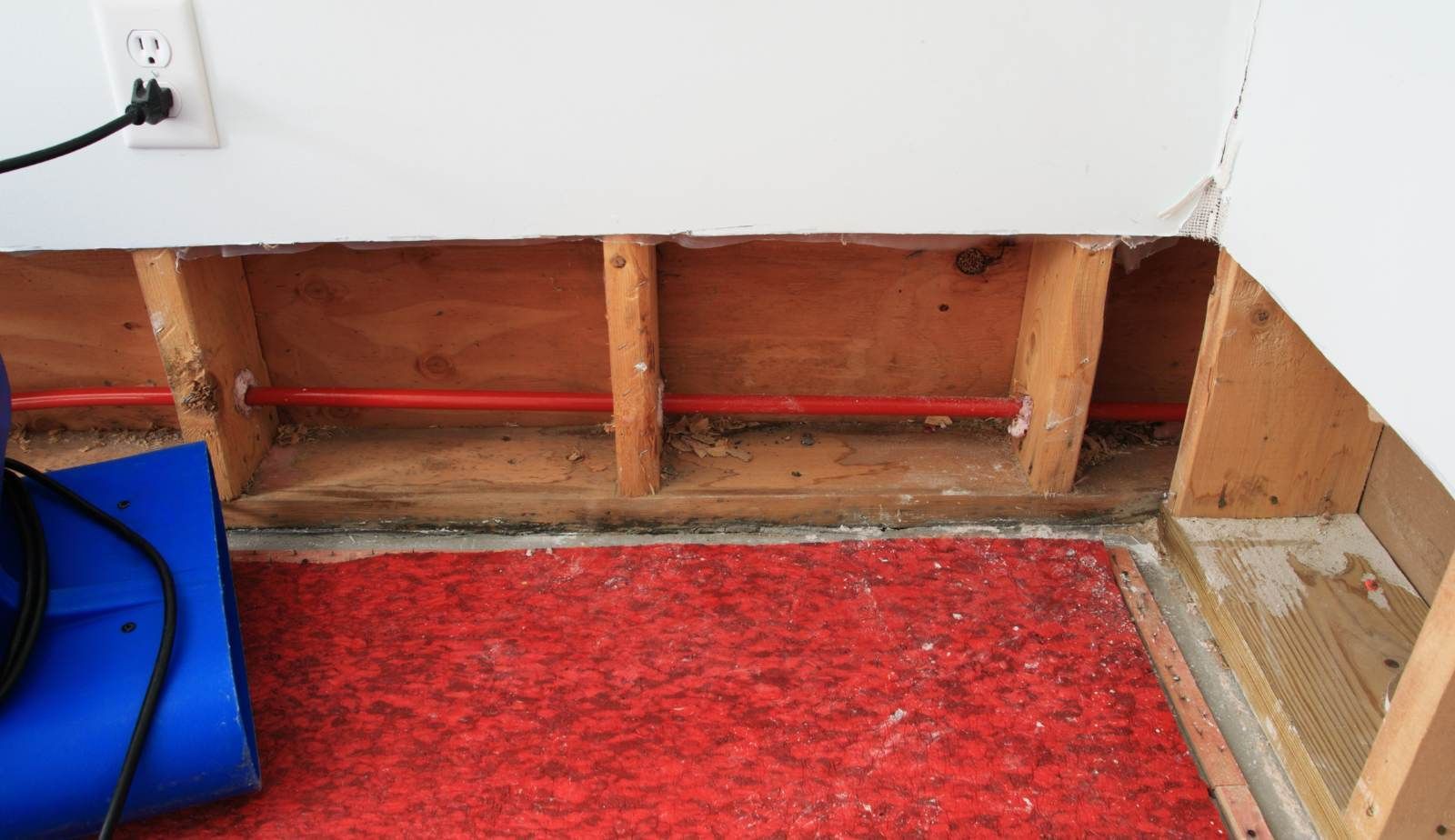
If you see little black dots on your bathroom ceiling or if your grout never seems to stay clean, it’s a sign your ventilation isn't keeping up. You shouldn't have "sweat" running down your walls after a shower. If you do, that moisture is seeping behind the paint and into the drywall.
What’s That Smell? (Understanding MVOCs)
We’ve all walked into a house or a room and caught that "musty" or "earthy" smell. Some people call it "old house smell," but as a tech, I know exactly what it is: MVOCs.
MVOC stands for Microbial Volatile Organic Compounds. To put it simply, it’s the "off-gassing" of mold. When mold is actively growing and eating your building materials (like the paper on your drywall or the wood in your attic), it releases these gases.
If you smell that musty odor, it means the mold is alive and growing somewhere. It might be behind a baseboard, under a cabinet, or up in the attic, but it’s there. The smell is often the first warning sign homeowners get before they ever see a single black spot. Ignoring that smell in June usually leads to a much bigger water damage restoration Louisiana project by August.
Why Bleach is a Bad Idea
This is the part where I usually lose a few people, but stay with me. If you see mold in your bathroom or on a piece of wood in the attic, your first instinct is probably to grab a bottle of bleach and a scrub brush.
Don’t do it.
Here’s why: Bleach is mostly water. On a non-porous surface like a glass window or a metal sink, bleach can work okay. But on porous materials: like drywall, wood, or grout: the chlorine in the bleach can't penetrate deep enough to kill the "roots" (the hyphae) of the mold.
The chlorine stays on the surface, but the water in the bleach soaks into the material. You’re essentially just watering the mold. It might look white for a few days because you bleached the color out of it, but it’ll be back, and usually worse than before.
The Professional Approach: More Than Just Cleaning
When we come out for a Lafayette mold inspection , we aren't just looking for spots on the wall. We’re looking for the source. If I clean up the mold but don't tell you that your AC drain line is clogged or your bathroom fan is disconnected, I haven't actually helped you. It’ll just grow back in two weeks.
How We Handle It
- Moisture Mapping: We use tools like infrared cameras and moisture meters to find exactly where the water is hiding. Mold needs three things: food (drywall/wood), the right temperature, and moisture. We can't change the food or the temp much, so we focus on the moisture.
- Containment: You don't want to just start scrubbing mold. That sends millions of spores into the air, which then get sucked into your AC and spread through the whole house. We set up plastic barriers and use HEPA air scrubbers to keep the "bad air" in the work zone.
- Physical Removal: For porous materials like drywall or insulation, the only real fix is to cut it out and get it out of the house.
- Cleaning and Treatment: We use professional-grade antimicrobial cleaners that actually penetrate the surface and kill the mold without adding unnecessary water back into the mix.

Keeping Your Home Dry This Summer
You don't have to live in fear of mold, but you do have to be proactive, especially in the Louisiana heat. Here are a few "regular guy" tips to keep things under control:
- Check your AC drain line: If it’s backed up, that water is going somewhere, usually into your attic or your floor.
- Run your bathroom fans: Let them run for 20 minutes after you’re done showering to get all that humid air out.
- Keep your AC on: I know electricity is expensive, but turning your AC off when you go to work allows the humidity to spike. Keep it at a steady temperature (like 76 or 78) to keep the air moving and the humidity down.
- Peek in the attic: Once a month, grab a flashlight and just look around. Check the area around your AC unit and look for any dark staining on the wood.
If you do find something that doesn't look right, don't panic. Catching it early makes the mold removal Louisiana process a lot faster and cheaper.

At Drymax, we live and work in the same neighborhoods you do. We know the specific challenges of Southern Louisiana homes because we deal with them every single day. If you’ve got a musty smell you can’t track down, or you’re worried about what’s going on in your attic, feel free to contact Drymax. We’ll give you a straight answer and help you figure out the best way to keep your home safe and dry.
Stay cool out there.